If you’ve ever wiped down a kitchen counter and felt that quiet satisfaction when the surface looks spotless in seconds, you already understand the value of good cleaning textiles. I didn’t always think much about towels. They were just… there. But after visiting suppliers and talking with manufacturers, I’ve learned that behind every reliable towel is a thoughtful process—especially inside a well-run microfiber towel factory.
This blog takes you behind the scenes of how everyday cleaning essentials are made, why quality matters more than price, and how simple products like a kitchen towel roll quietly shape our daily routines.
What Really Happens Inside a Microfiber Towel Factory
A professional microfiber towel factory isn’t just about machines running nonstop. It’s a balance of material science, quality checks, and real-world testing. Microfiber yarns are ultra-fine—much thinner than human hair—and they’re engineered to trap dust, grease, and moisture instead of just pushing it around.
During production, fibers are split, woven, and finished with precision. The best factories test absorbency, durability, and softness repeatedly. One manufacturer once told me, “If it doesn’t survive hundreds of washes, it doesn’t leave the floor.” That mindset shows in the final product.
Factories that supply global markets, like those partnered with Elbert Wipes, often customize towels for kitchens, automotive care, hospitality, and industrial cleaning—each with slightly different requirements.
Why Quality Towels Save You Money Over Time
At first glance, all towels can look the same. But use them for a few weeks, and the differences appear fast. Low-quality microfiber sheds fibers, loses grip, or smells after washing.
High-grade towels from a trusted microfiber towel factory last longer, clean better, and reduce the need for harsh chemicals. That’s not just good for your budget—it’s better for surfaces and the environment too. Fewer replacements mean less waste and more consistent performance.
The Everyday Power of a Kitchen Towel Roll
Now let’s talk kitchens—because that’s where towels work the hardest.
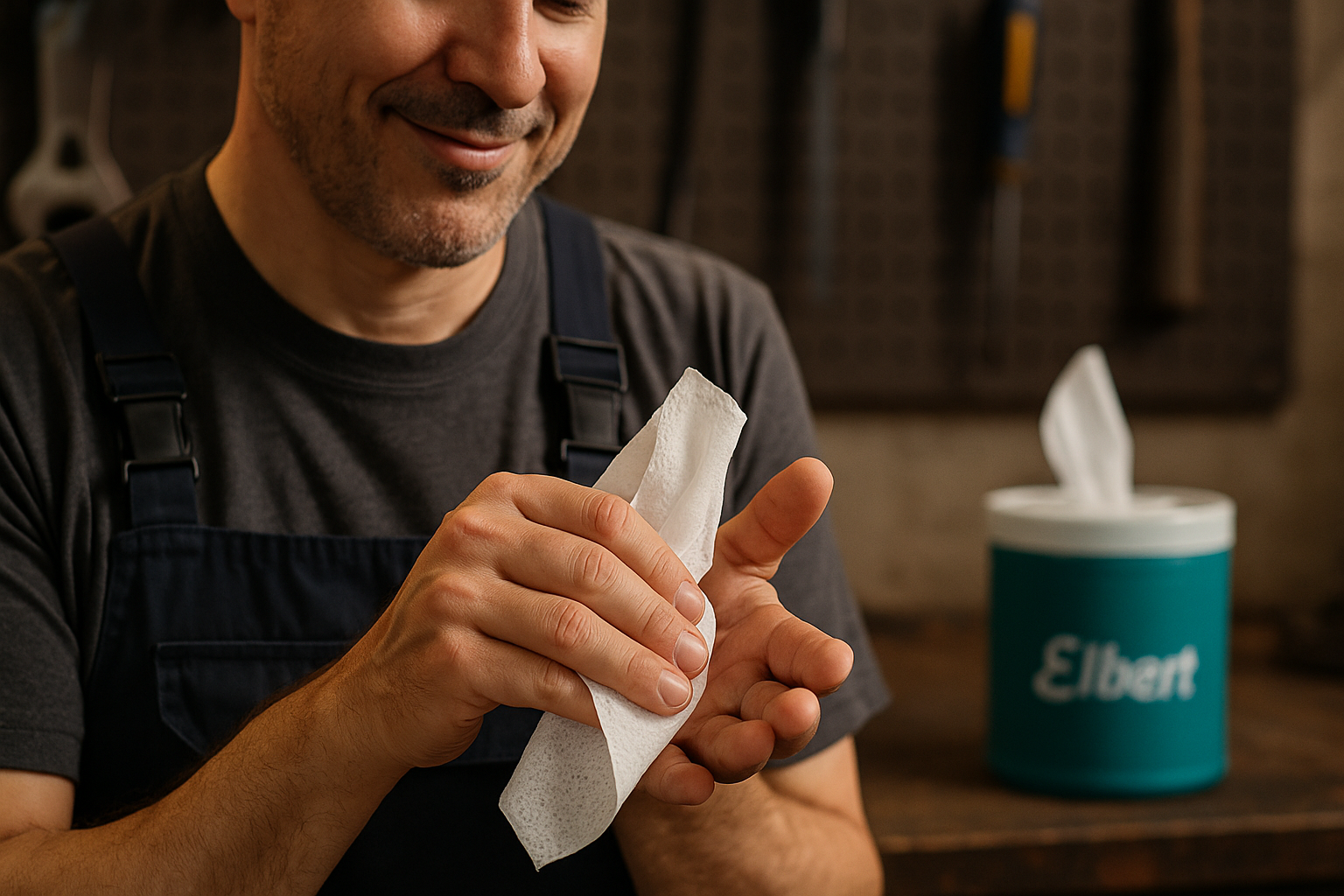
A reliable kitchen towel roll is one of those items you don’t notice until it’s missing. From wiping spills and drying hands to quick counter cleanups, it’s used dozens of times a day. The best rolls are absorbent, tear cleanly, and don’t fall apart when wet.
Quality manufacturers design kitchen towels to strike a balance: strong enough for messes, soft enough for daily use. When sourced responsibly, a kitchen towel roll can even help reduce paper waste by encouraging controlled usage instead of over-pulling sheets.
How Manufacturing Standards Affect Your Home
Here’s something most people don’t think about: manufacturing standards directly affect hygiene. Towels produced in certified facilities follow strict cleanliness and safety guidelines. That matters, especially for kitchens and food-prep areas.
Factories working with established brands often use lint-free processes, colorfast dyes, and controlled packaging to ensure towels arrive clean and ready to use. When a microfiber towel factory invests in these standards, you feel it at home—even if you never see the factory floor.
Choosing the Right Supplier Matters
Whether you’re a business owner, distributor, or simply someone who values reliable home products, choosing the right supplier is key. Brands like Elbert Wipes focus on consistency, material quality, and practical design rather than flashy claims.
A good kitchen towel roll or microfiber towel doesn’t need hype. It needs to work—every time, without fuss.
Final Thoughts: Small Products, Big Impact
We often overlook the simplest items in our homes. But towels are quiet workhorses. When they’re made well, life feels a little easier. When they’re not, frustration builds fast.
Behind every dependable towel is a process, a factory, and a set of standards that prioritize real-world use. And once you experience quality, it’s hard to go back.
Frequently Asked Questions
1. What makes microfiber towels better than regular cotton towels?
Microfiber traps dirt and absorbs moisture more effectively, often requiring less water and fewer cleaning products.
2. How many times can microfiber towels be reused?
High-quality towels from a professional factory can last hundreds of washes if cared for properly.
3. Is a kitchen towel roll hygienic for daily use?
Yes, when produced under proper manufacturing standards and used as intended, it’s safe and convenient for kitchens.
4. Can microfiber towels damage surfaces?
No, quality microfiber is non-abrasive and safe for most surfaces, including glass and stainless steel.
5. How do I know if a towel supplier is reliable?
Look for consistency, clear material information, and manufacturing transparency—signs of a trusted factory partner.