Cleaning looks simple from the outside. Grab a cloth, wipe the surface, move on. But once you spend time understanding how quality cleaning products are actually made, you start noticing the difference—especially when it comes to performance, durability, and hygiene. That’s where a microfiber cleaning cloth factory quietly plays a big role in everyday homes, restaurants, and workplaces.
I realized this after switching from generic wipes to purpose-built cleaning products. The results weren’t dramatic at first—but over time, surfaces stayed cleaner, floors dried faster, and the amount of effort dropped noticeably.
Why Microfiber Isn’t “Just Another Cloth”
Microfiber isn’t new, but it’s often misunderstood. Inside a modern microfiber cleaning cloth factory, fibers are split thousands of times thinner than a human hair. That structure matters. It allows cloths to trap dust, grease, and bacteria instead of just pushing them around.
From kitchen counters to glass surfaces, microfiber works with less water and fewer chemicals. That’s not just convenient—it’s practical for people trying to clean smarter without overloading their homes with harsh cleaners.
Kitchen Wipes: Small Tool, Big Difference
The kitchen is where cleaning products are tested the hardest. Spills happen fast. Grease builds up quietly. This is where high-quality kitchen wipes stand out.
Unlike paper towels that tear or disposable wipes that dry out, reusable kitchen wipes absorb better and last longer. I’ve noticed that well-made kitchen wipes don’t leave streaks on countertops or residue on stovetops. They also rinse clean easily, which means fewer lingering smells and better hygiene.
Factories that specialize in microfiber understand these real-world needs. They design wipes specifically for food areas—soft enough for surfaces, strong enough for daily messes.
Wet Towels for Cleaning Floors: Not All Are Equal
Floors tell the story of a space. Clean floors make rooms feel fresh instantly. Poor tools? They leave water marks and dull finishes.
High-quality wet towels for cleaning floors are designed to balance moisture and absorption. In a professional setting—or even at home—this means faster drying times and fewer slip hazards. When these towels come from a reliable microfiber cleaning cloth factory, the stitching, fabric density, and moisture control are noticeably better.
I’ve used cheaper alternatives that felt fine at first but wore out quickly. The difference with premium wet towels for cleaning floors is consistency—they perform the same way on day one and day fifty.
How Factories Shape Everyday Cleaning
Most people never think about where their wipes come from. But factories that focus on quality testing, fabric selection, and controlled production standards make cleaning more efficient for end users.
A trusted microfiber cleaning cloth factory doesn’t just produce cloths—it studies how people clean. Kitchens, offices, hospitals, and homes all have different demands. That insight shapes better kitchen wipes and more effective wet towels for cleaning floors.
It’s less about mass production and more about thoughtful design.
Choosing the Right Cleaning Products for Your Space
If there’s one lesson I’ve learned, it’s this: cleaning feels easier when tools work with you, not against you. Whether it’s durable kitchen wipes or reliable wet towels for cleaning floors, quality matters more than brand names.
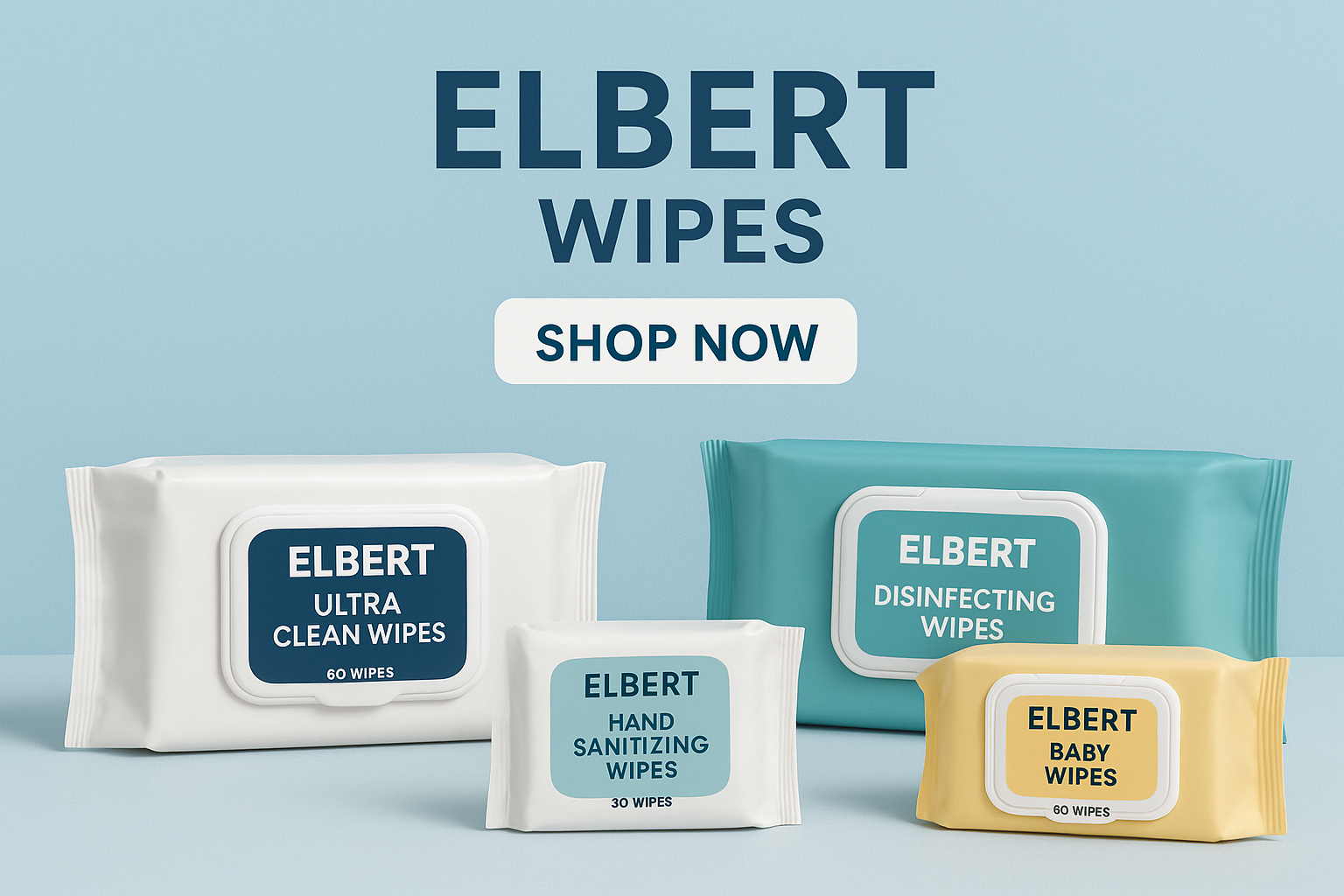
Websites like Elbert Wipes focus on practical cleaning solutions built for real use—not shortcuts. When products are designed properly from the factory level, the difference shows up in daily routines.
A Cleaner End to the Story
Cleaning will never be glamorous. But it can be simpler, faster, and more effective when the right products are involved. Behind every reliable wipe is a factory making small decisions that add up to better results.
When you choose well-made microfiber products, you’re not just cleaning—you’re upgrading how you maintain your space.
Common Questions People Ask
1. Why is microfiber better than regular cloth?
Microfiber traps dirt and bacteria instead of spreading it, which improves overall cleaning efficiency.
2. Are kitchen wipes safe for food surfaces?
Yes, quality kitchen wipes are designed to clean without leaving residue when properly washed.
3. How often should wet towels for cleaning floors be replaced?
With proper care, high-quality wet towels can last several months of regular use.
4. Can microfiber cloths reduce the need for chemicals?
Absolutely. Their structure allows effective cleaning with less or no chemical cleaner.
5. Does factory quality really affect cleaning results?
Yes. Production standards directly impact durability, absorption, and long-term performance.