Ever walked into a commercial kitchen or a busy manufacturing plant and wondered how everything stays sparkling clean? Chances are, industrial cleaning wipes are doing the heavy lifting behind the scenes. As someone who’s spent time exploring production facilities, I can tell you these wipes are more than just convenient—they’re a fascinating mix of science, precision, and practical design.
The Art and Science of Wet Wipes Production
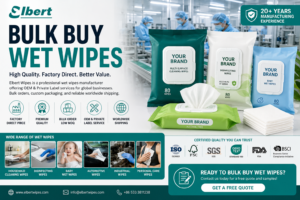
Wet wipes production isn’t as simple as saturating a piece of fabric and calling it done. It’s a carefully controlled process that balances material selection, liquid formulation, and packaging. High-quality wipes are designed to retain moisture, deliver cleaning agents effectively, and remain strong enough for tough scrubbing without tearing.
During a recent tour of a production plant, I noticed how meticulous the process was. Machines gently feed nonwoven fabrics through rollers while solution tanks ensure each sheet is uniformly soaked. Even the packaging stage matters—sealed pouches or tubs preserve freshness, which can make a big difference in industrial settings where hygiene is critical.
What surprised me most is how customization plays a role. Some wipes are infused with disinfectants for medical or food-service use, while others are neutral for delicate surfaces. This flexibility highlights why wet wipes production has become such a vital part of modern industrial maintenance.
Industrial Cleaning Wipes in Real-World Use
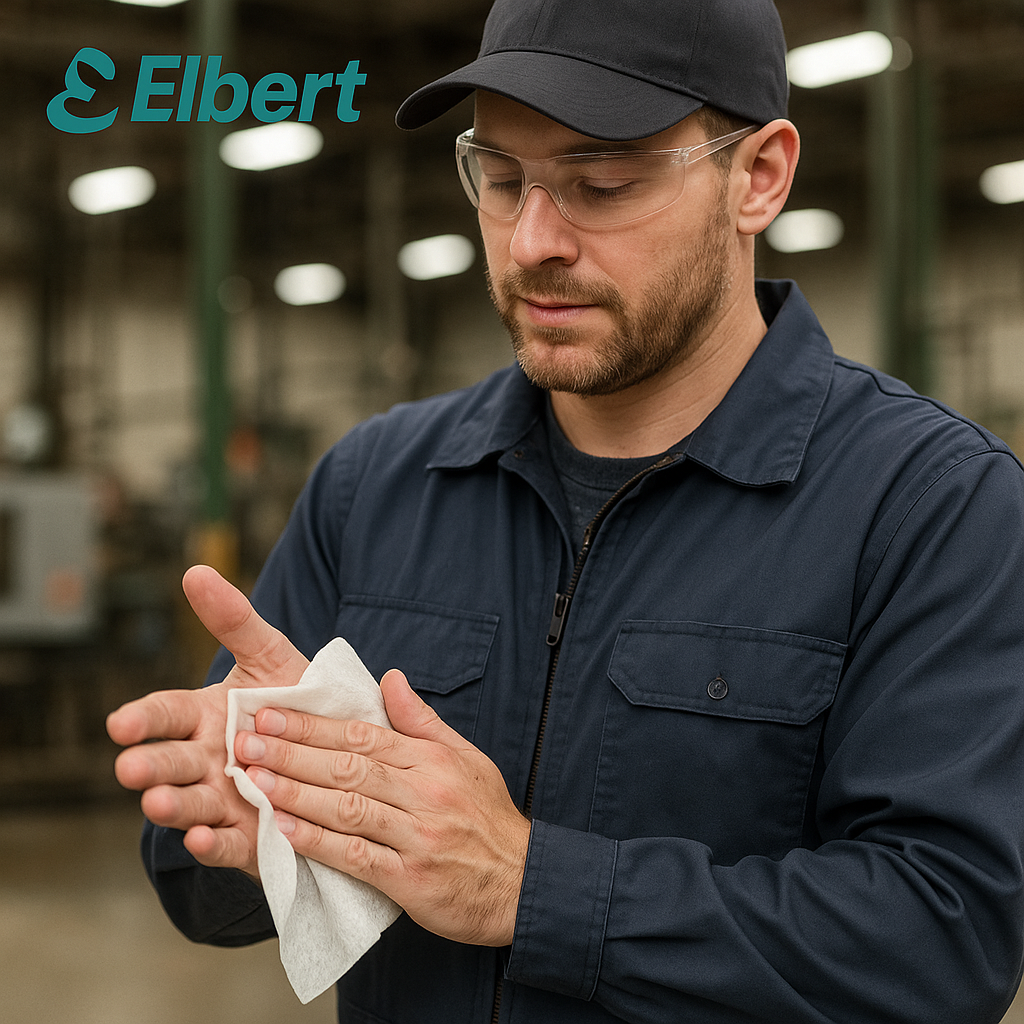
Industrial cleaning wipes aren’t just about keeping floors spotless—they’re tools for efficiency. In workshops, factories, or laboratories, a single well-made wipe can save minutes of labor and reduce chemical waste. For example, in my experience visiting automotive repair shops, technicians often prefer wipes that can remove grease without leaving residues. It’s faster than dragging out spray bottles and rags, and it keeps surfaces safe for sensitive equipment.
Even beyond industrial spaces, these wipes have a surprising range of applications. From electronics maintenance to hospitality, they offer quick sanitation and reduce the risk of cross-contamination. Businesses that invest in quality wipes often see fewer accidents and lower cleaning costs workplace over time—proof that the upfront effort in sourcing the right products pays off.
Choosing the Right Wipes for Your Needs
Not all wipes are created equal. The type of fabric, thickness, and liquid solution can make a big difference in performance. If you’re managing a facility, consider these factors:
-
Absorbency: Can the wipe handle heavy spills without disintegrating?
-
Durability: Does it resist tearing when used on rough surfaces?
-
Formulation: Is it designed for disinfecting, degreasing, or gentle cleaning?
When I first started helping small businesses streamline their cleaning processes, we realized that a one-size-fits-all approach rarely works. Customizing wipes to the task at hand not only improves results but also encourages employees to maintain better cleaning habits.
The Future of Wet Wipes and Industrial Cleaning
Innovation in wet wipes production is ongoing. Sustainability is a huge focus, with biodegradable fabrics and reduced chemical loads becoming more common. Plus, automated production lines are allowing manufacturers to meet increasing demand without compromising quality. It’s a reminder that even everyday products like wipes can benefit from technology and thoughtful design.
Conclusion
Whether you’re managing a factory floor or just curious about industrial hygiene, wet wipes production and industrial cleaning wipes are more fascinating—and impactful—than they seem. From careful manufacturing to everyday efficiency, these products play an essential role in keeping environments clean and safe.