
From Factory Floor to Finish: How Quality Cleaning Products Are Made
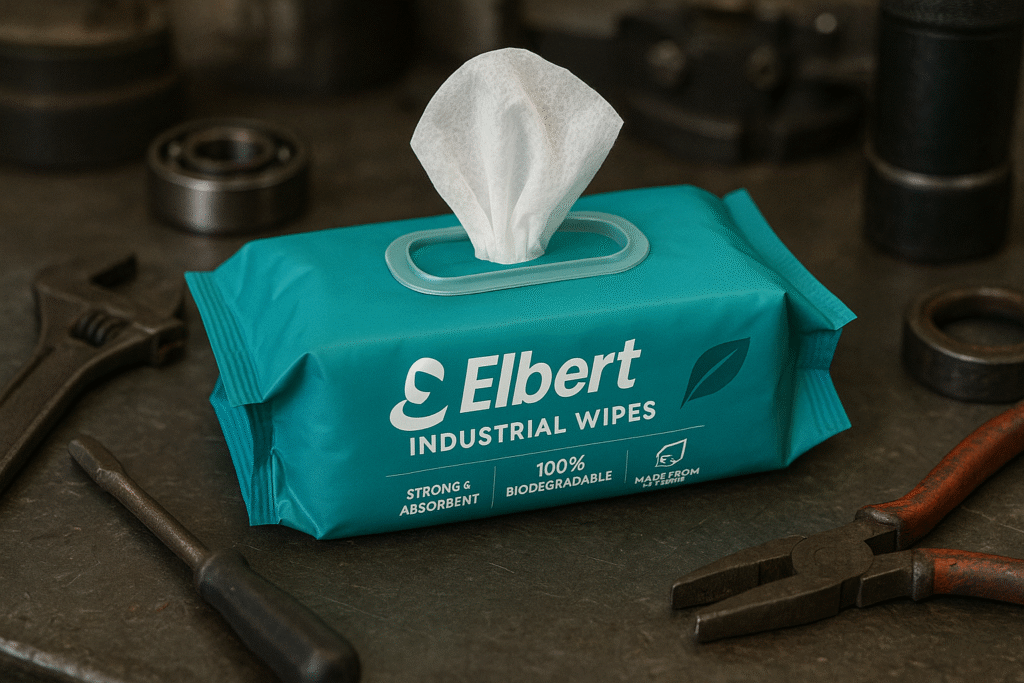
Introduction: Why the Source Matters More Than You Think A few years ago, I helped a friend set up a small housekeeping business. We tested multiple wipes, towels, and fabrics from different vendors. Some looked good online but failed in real use—tore easily, absorbed poorly, or didn’t feel consistent batch to batch. That experience changed […]
Behind Everyday Cleanliness: How Quality Nonwoven Products Are Made
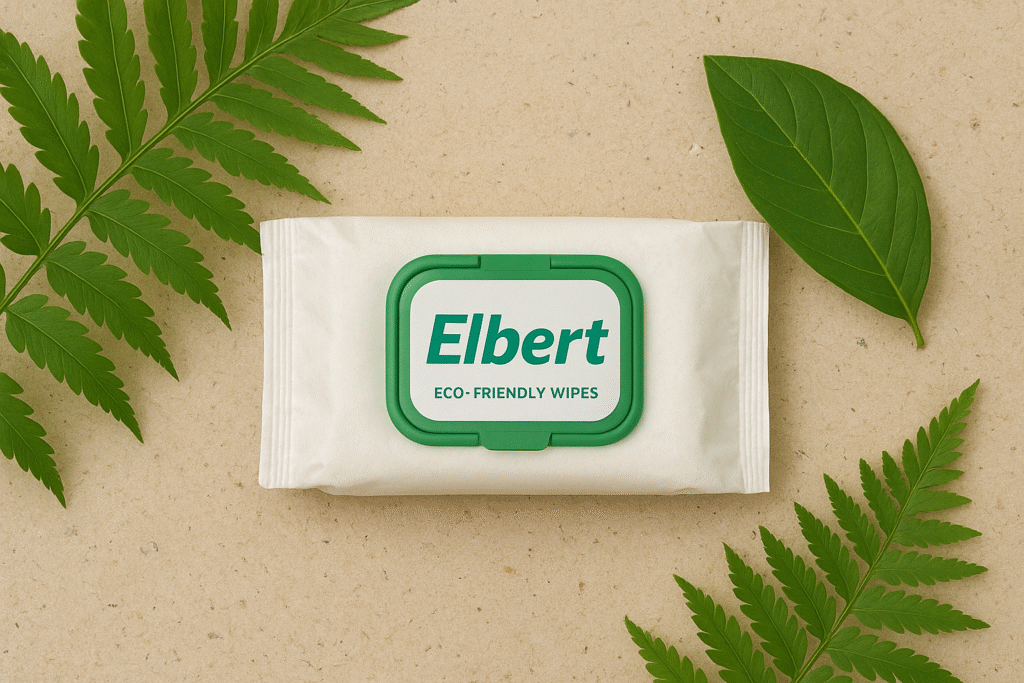
If you’ve ever wiped a kitchen counter, cleaned industrial equipment, or sanitized your hands on the go, you’ve relied on nonwoven products—probably without thinking twice. I didn’t either, until a conversation with a factory manager completely changed how I saw “simple” cleaning cloths. What looks ordinary on the surface often comes from a surprisingly thoughtful […]
What are the primary ingredients of nonwoven fabric?
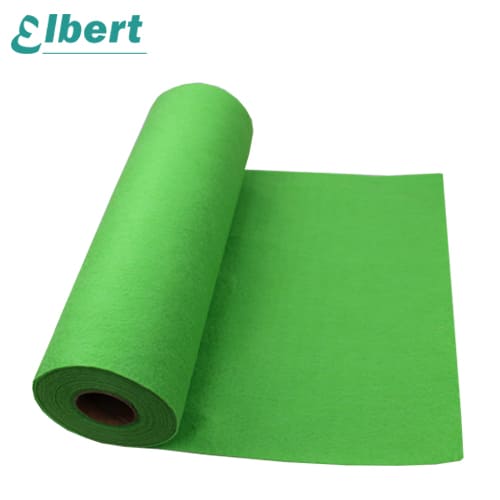
Hey there! As a distributor of nonwoven fabric, I am often asked questions regarding the materials used in creating these versatile products. Nonwoven fabric is used in a variety of products, ranging from medical equipment to wipes and the selection of raw materials can significantly influence the final product’s properties and performance. In this blog […]
Nonwoven Jumbo Roll: The Backbone of Modern Wipes & Nonwoven Production
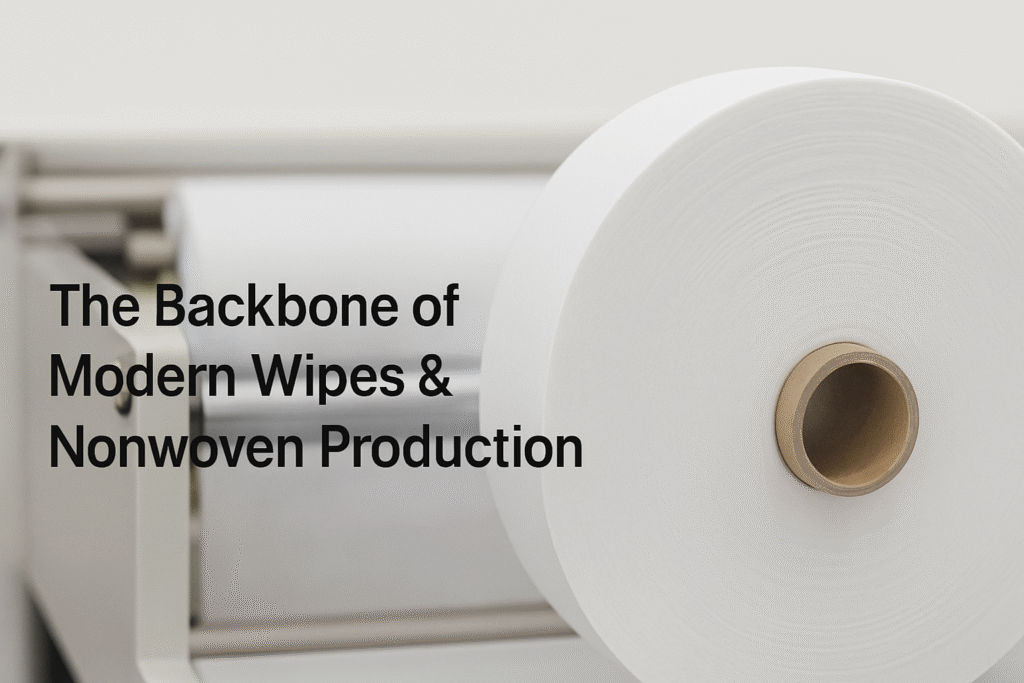
In the case of large-scale production of sanitary products, wipes or industrial cleaning products The unsung hero is typically the nonwoven large-sized roll . Particularly, spunlace nonwoven Jumbo rolls are a unique combination of toughness, softness and flexibility. In this article we’ll look at the benefits of nonwoven jumbo roll and why the spunlace technology […]
Nonwoven Fabrics: What Powers Our Daily Lives and Future Innovations?
Notice tea bags, medical masks, or car interiors? These all use engineered nonwoven fabrics1. Discover how material science creates these versatile sheets that shape modern life. Nonwoven fabrics2 are engineered fiber sheets3 bonded without weaving. They offer cost efficiency, custom performance, and sustainability advantages across healthcare, filtration, and packaging, making them indispensable in today’s world. […]
Why Did China Focus on Manufacturing? Deep Dive into the Strategy Behind the World’s Factory
China was poor, isolated, and agrarian. But in four decades, it became the world’s factory. Why did it bet so heavily on manufacturing? China focused on manufacturing because it offered the fastest, most scalable way to modernize the economy1, create jobs2, and lift hundreds of millions out of poverty3. This article will explain how China’s […]
Eco-Friendly Fabrics 2025: The Complete B2B Guide to Sustainable Materials
Sustainability is no longer a buzzword—it’s a basic requirement in 2025. Eco-friendly fabrics1 offer cost savings2, brand power, and compliance advantages3 that every B2B buyer should understand before sourcing in 2025. Whether you’re in fashion, automotive, or industrial supply, sourcing sustainable materials4 is no longer optional. Your customers demand it, your partners expect it, and […]
The Ultimate Viscose Fabric Guide: From Tree to Textile & Sustainable Alternatives?
Viscose seems like the perfect blend of natural and synthetic—but is it really as eco-friendly as it sounds? Viscose is a semi-synthetic fiber1 made from wood pulp. It looks and feels like cotton or silk but comes with its own benefits and drawbacks, especially for sustainability-minded buyers2. I often get asked if viscose is good […]
Woven vs. Non-Woven vs. Paper: Which Material Really Fits Your Purpose?
Modern industries are flooded with material choices—but choosing the wrong one can cost you time, money, and your reputation. Woven, non-woven, and paper materials1 each have unique properties, uses, and sustainability levels2. Understanding their differences helps buyers make better sourcing decisions3. The differences between woven, non-woven, and paper materials4 often confuse even experienced professionals. That […]
Can You Tie-Dye Viscose & Rayon? The Ultimate Guide to Dyeing Semi-Synthetic Fabrics
Viscose and rayon fabrics dominate summer wardrobes, but their delicate nature leaves crafters wondering: can you safely tie-dye these semi-synthetics? Let’s unravel the science and techniques for vibrant, long-lasting results. Yes, you can tie-dye viscose and rayon1 using fiber-reactive dyes2 with extended curing times. These wood pulp-based fabrics absorb dye differently than cotton, requiring gentler […]