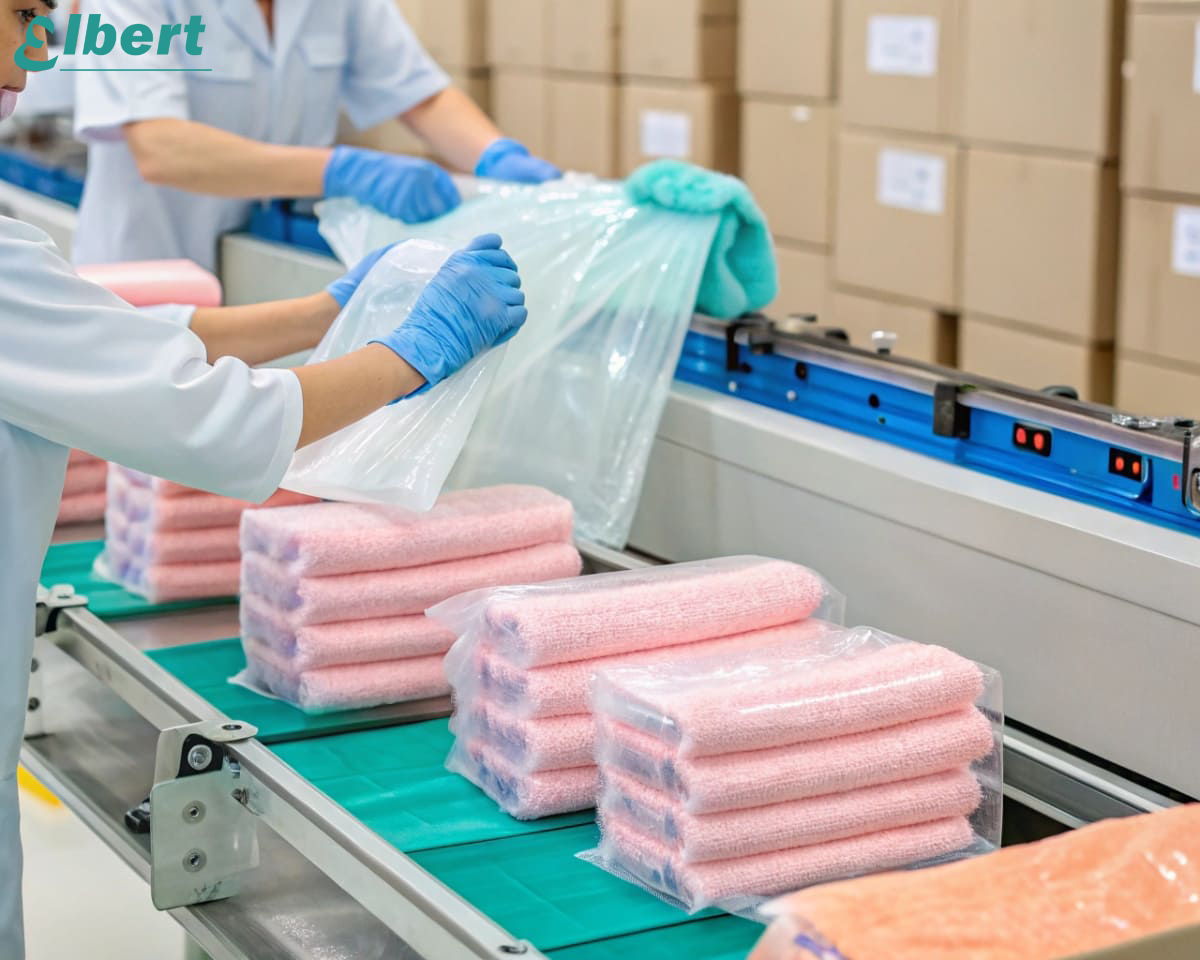
When you pick up a pack of wipes or a soft cleaning cloth, you probably don’t think about where it came from—or how much thought went into making it feel right in your hands. I didn’t either, until I started learning how today’s hygiene and cleaning products are actually made. What surprised me most wasn’t just the technology, but the quiet precision behind every layer, fiber, and fold.
This behind-the-scenes look matters because quality doesn’t happen by accident. It’s built step by step, starting long before a product ever reaches a shelf.
Why Nonwoven Fabrics Changed Everyday Products
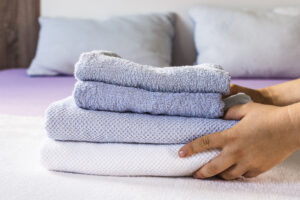
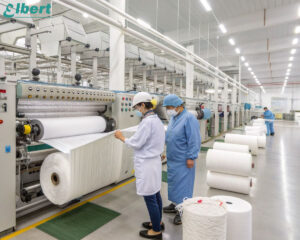
Traditional woven fabrics have their place, but when it comes to wipes and cleaning solutions, nonwoven materials changed everything. A reliable nonwoven fabric manufacturer focuses on creating fabrics that are lightweight, durable, and consistent—without the bulk of traditional textiles.
Nonwoven fabrics absorb better, feel softer on skin, and can be engineered for specific uses, whether that’s baby care, personal hygiene, or industrial cleaning. The real advantage? Control. Manufacturers can fine-tune thickness, strength, and texture based on real-world needs, not guesswork.
That level of customization is why nonwoven materials now sit at the heart of most modern hygiene products.
Inside a Wet Wipes Factory: More Than Just Moist Cloths
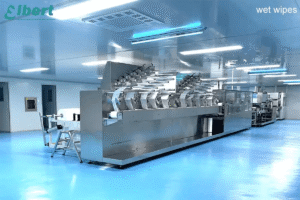
A modern wet wipes factory isn’t just about cutting fabric and adding liquid. It’s a controlled environment where hygiene, timing, and formulation all work together.
The process usually starts with carefully selected nonwoven rolls. These are cut, folded, and infused with solutions that are tested for safety, effectiveness, and shelf life. Temperature control, moisture balance, and sealing precision all matter more than people realize. One small inconsistency can affect freshness or usability.
What stands out is how much testing happens before a single pack leaves the line. A professional wet wipes factory doesn’t just meet standards—it builds trust by ensuring every wipe feels the same from the first pull to the last.
The Quiet Efficiency of a Microfiber Cleaning Cloth Factory
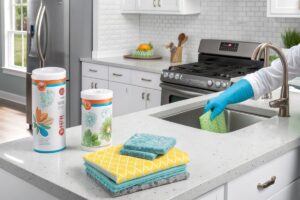
Cleaning products demand a different kind of performance. A microfiber cleaning cloth factory works with ultra-fine fibers designed to trap dust, absorb liquid, and clean surfaces without scratching.
What’s fascinating is how these fibers are split during production, creating microscopic hooks that lift dirt instead of pushing it around. That’s why microfiber works so well with less water and fewer chemicals.
In a good factory, quality checks go beyond appearance. Cloth density, edge stitching, and wash durability are tested because real users don’t want a cloth that falls apart after a few uses. A dependable microfiber cleaning cloth factory builds products meant for long-term use, not quick replacement.
Why Manufacturing Experience Actually Matters
Anyone can claim to produce wipes or fabrics. Fewer can do it consistently at scale. Experienced manufacturers understand supply chain pressure, regulatory changes, and evolving customer expectations.
A seasoned nonwoven fabric manufacturer knows how to adapt materials for new markets. A trusted wet wipes factory understands formulation safety across regions. And a professional microfiber cleaning cloth factory anticipates how products will be used in homes, hospitals, and workplaces.
That experience shows up in small details—like how a wipe unfolds smoothly or how a cloth keeps its shape after dozens of washes.
Sustainability Isn’t a Trend—It’s a Responsibility
Today, manufacturers are under real pressure to reduce waste and improve environmental impact. Many factories now focus on efficient water use, recyclable packaging, and responsible sourcing.
From biodegradable nonwoven options to longer-lasting microfiber products, smarter manufacturing choices help reduce overall consumption. It’s not perfect yet, but progress is happening—and it’s driven by manufacturers who think long-term.
Final Thoughts: The Value You Don’t See
Behind every simple-looking wipe or cloth is a network of decisions, testing, and experience. When manufacturing is done right, the product disappears into your routine—and that’s actually the goal.
Good manufacturing doesn’t demand attention. It earns trust quietly, one product at a time.
Common Questions Answered
1. What makes nonwoven fabric better for wipes than woven fabric?
Nonwoven fabric offers better absorption, softness, and consistency, making it ideal for hygiene and cleaning products.
2. How does a wet wipes factory ensure product safety?
Through controlled environments, tested formulations, and strict quality checks at every production stage.
3. Why is microfiber more effective for cleaning surfaces?
Its split fibers trap dust and dirt efficiently, reducing the need for harsh chemicals.
4. Are microfiber cloths reusable?
Yes, high-quality microfiber cloths are designed to withstand repeated washing and long-term use.
5. How do manufacturers support sustainability?
By reducing waste, improving material efficiency, and developing eco-friendly fabric options.