When it comes to keeping spaces spotless, nothing beats a combination of practicality and efficiency. Whether you’re tackling a busy commercial kitchen or just your living room floor after a weekend craft project, the right tools make all the difference. From floor cleaning wet wipes to industrial cleaning wipes , knowing what to use and when can save you time and frustration.
Why Floor Cleaning Wet Wipes Are a Game-Changer
I remember moving into my first apartment and realizing just how messy life could get. Tiny spills, pet accidents, and general dust accumulation made me wish I had a superpower. Enter floor cleaning wet wipes —simple, fast, and surprisingly effective. Unlike traditional mops, they allow you to tackle small messes instantly without dragging out a bucket of water.
The beauty of these wipes is their versatility. Many are formulated with gentle, safe cleaning agents, making them suitable for both tile and hardwood. Plus, they’re disposable, which means less hassle and fewer germs lingering around.
Industrial Cleaning Wipes: Strength Meets Efficiency
Now, if you think all wipes are created equal, think again. Industrial cleaning wipes are designed for heavier-duty work, like wiping down machinery or grease-covered surfaces. I once helped at a community workshop, and the industrial wipes were a lifesaver. They stubborn absorbed oils and handled grit that would have ruined a regular paper towel in seconds.
These wipes aren’t just about brute force—they’re engineered for efficiency, with textures that grab grime and fibers that resist tearing. For workplaces with high sanitation standards, industrial cleaning wipes are practically indispensable.
Behind the Scenes: Wet Wipe Manufacturing
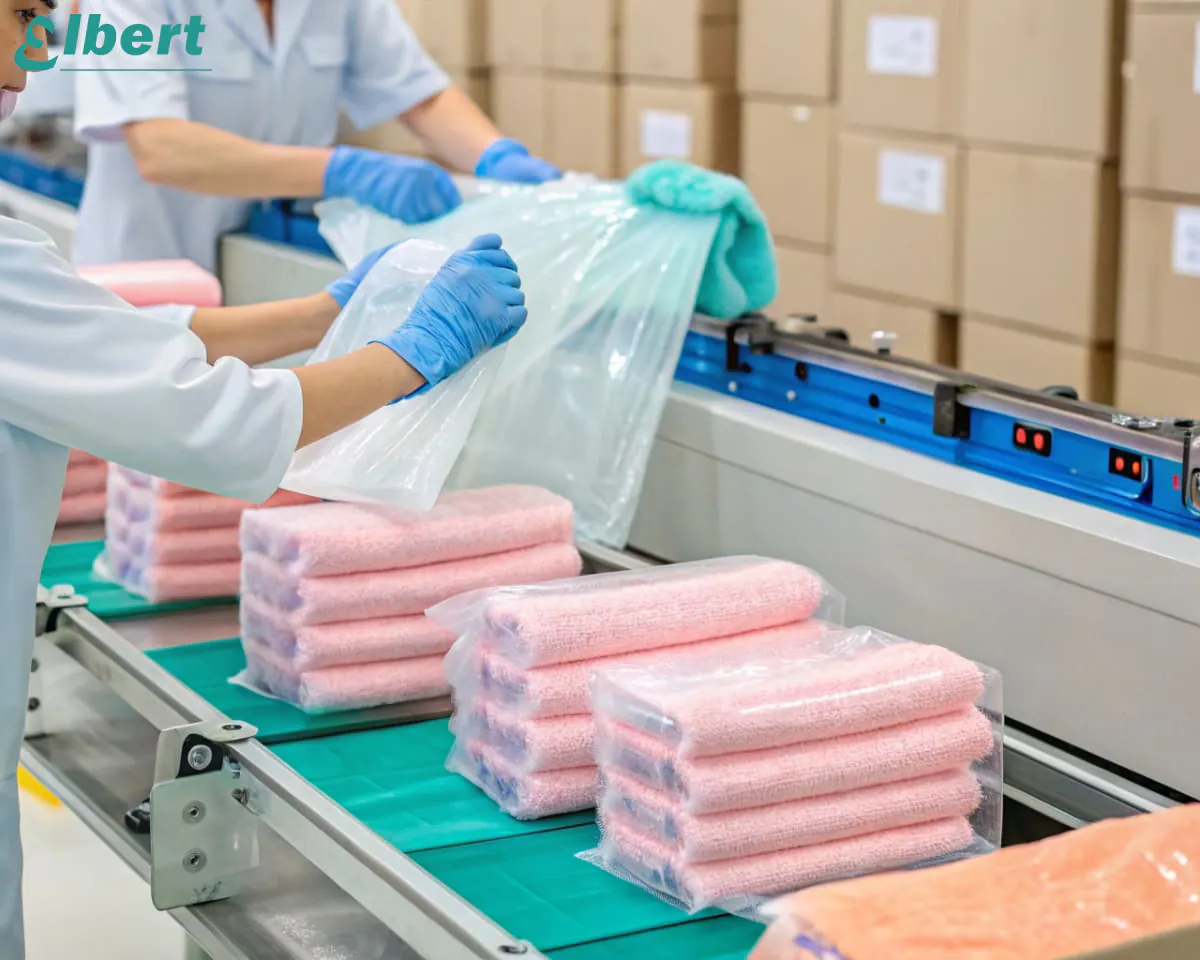
Ever wondered how those trusty wipes make it from factory to your cleaning cart? Wet wipe manufacturing is a blend of science and precision. Materials like spunlace, nonwoven fabrics, and eco-friendly fibers are combined with cleaning solutions to create wipes that balance softness, durability, and effectiveness.
In factories, the process involves cutting, folding, and saturating the wipes in disinfectants or detergents. Quality control is critical; a poorly made wipe can tear or underperform. Understanding the basics of wet wipe manufacturing makes you appreciate the thought and technology that goes into a simple square of cloth.
Choosing the Best Microfiber Towels and Wet Wipes
While wipes are convenient, nothing beats a good microfiber towel for repeated use. These towels are soft enough not to scratch surfaces yet tough enough to trap dust and dirt efficiently. From my experience cleaning glass windows to polishing wood furniture, the best microfiber towels deliver a streak-free finish every time.
When it comes to best wet wipes , look for versatility, absorbency, and chemical-free formulas. Some wipes are specifically tailored for floors, while others excel on countertops, electronics, or even cars. Testing a few types helps find the perfect match for your daily cleaning routine.
Practical Tips for Maximum Cleaning Efficiency
-
Always test wipes on a small area first to avoid potential damage.
-
Pair microfiber towels with spray cleaners for eco-friendly, repeatable cleaning.
-
Keep a stock of floor cleaning wet wipes near high-traffic zones for quick touch-ups.
-
For workshops or garages, invest in industrial cleaning wipes for heavy-duty tasks.
Conclusion
Cleaning doesn’t have to feel like a chore. With the right tools—quality wet wipes , durable microfiber towels , and a little knowledge about wet wipe manufacturing —you can keep your home or workspace sparkling with minimal effort. Efficiency and cleanliness go hand in hand, and choosing the right supplies makes all the difference.
FAQ
1. What are the best wet wipes for home use?
Look for wipes that balance absorbency, gentle cleaning agents, and versatility for surfaces like floors, counters, and electronics.
2. How do industrial cleaning wipes differ from regular wipes?
They are thicker, stronger, and designed for heavy-duty grime and oil, making them ideal for workshops and commercial use.
3. Can microfiber towels replace wet wipes?
Microfiber towels are reusable and great for polishing and dusting, but disposable wet wipes are convenient for quick, mess-heavy tasks.
4. Are floor cleaning wet wipes safe for all surfaces?
Most are safe for tile, laminate, and hardwood, but it’s always wise to test a small area first, especially on delicate finishes.
5. What is wet wipe manufacturing?
It’s the process of producing wipes by combining nonwoven fabrics with cleaning solutions, ensuring durability, absorbency, and surface safety.